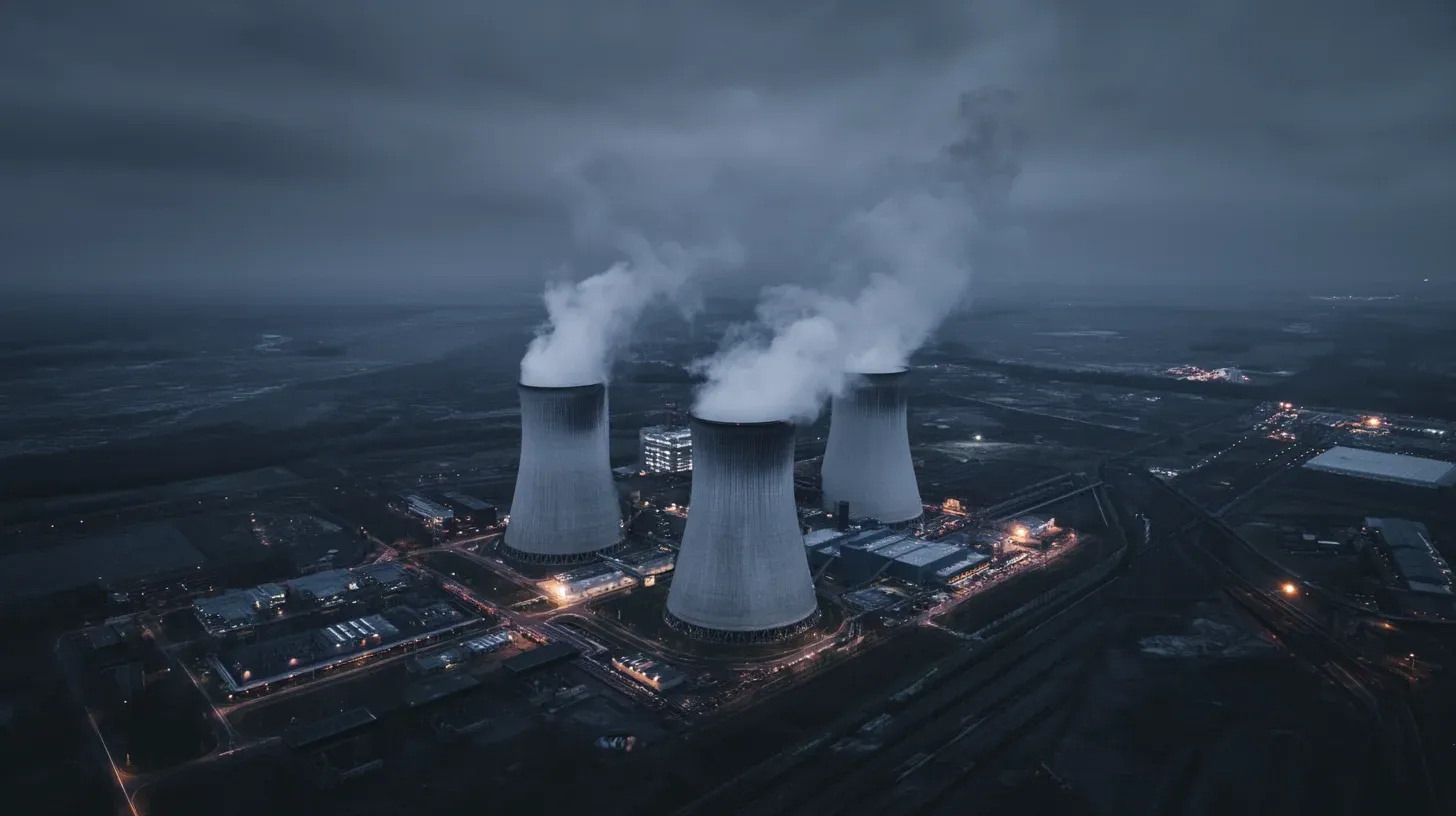
Italy’s lower house has approved a revised energy plan that would postpone the permanent shutdown of coal-fired plants by 13 years. The change still has to pass the Senate, but the political meaning is already clear. A country that had promised to leave coal behind now wants four coal plants kept in reserve for another decade. Coal is not returning as the future, but as fossil insurance.
The shift did not come out of nowhere. In early March, Italy was already signalling that coal plants could be reactivated if the Gulf crisis worsened, even as the energy minister said the country remained relatively safe because of diversified gas imports and healthy storage levels. What first appeared as contingency planning is now hardening into a longer political horizon.
Italy matters because this is not just an Italian oddity. It reveals a wider European contradiction. In calmer periods, governments present decarbonisation and energy security as compatible: more renewables, less import dependence, lower emissions. But once geopolitical stress rises, the hierarchy changes. The question stops being what is cleanest and becomes what can be kept ready, switched on quickly, and sold politically as protection.
Italy had previously committed to a coal exit by the end of 2025, with Sardinia as a later exception. Now that timeline is being stretched to 2038. That weakens not only one national promise, but the credibility of a wider European decarbonisation story.
Italy is also considering costly support measures for households and businesses because of higher energy prices linked to the conflict, and EU deficit rules could come under pressure if the crisis persists. That is how fossil fallback becomes politically durable: first as emergency readiness, then as price protection, then as a longer suspension of climate discipline.
Governments gain an immediate story of control, readiness, and reassurance. Keeping coal in reserve signals that the state can still guarantee supply in a dangerous moment. But the cost is pushed outward and forward. Climate credibility weakens. Investment signals become less reliable. And the transition becomes more expensive and less coherent when governments promise rapid decarbonisation while preserving fossil reserve capacity deep into the next decade.
Italy shows the deeper contradiction inside European climate policy. Decarbonisation remains the official destination, but fossil security remains the fallback whenever the system is shaken. Coal is not being kept alive because climate targets disappeared. It is being kept alive because, when the system feels unsafe, policymakers still trust fossil insurance more than they trust the transition’s ability to hold.