Dispatches
Short-form analysis. Urgent observations. Published when the story demands it.
From the Route to the Refinery
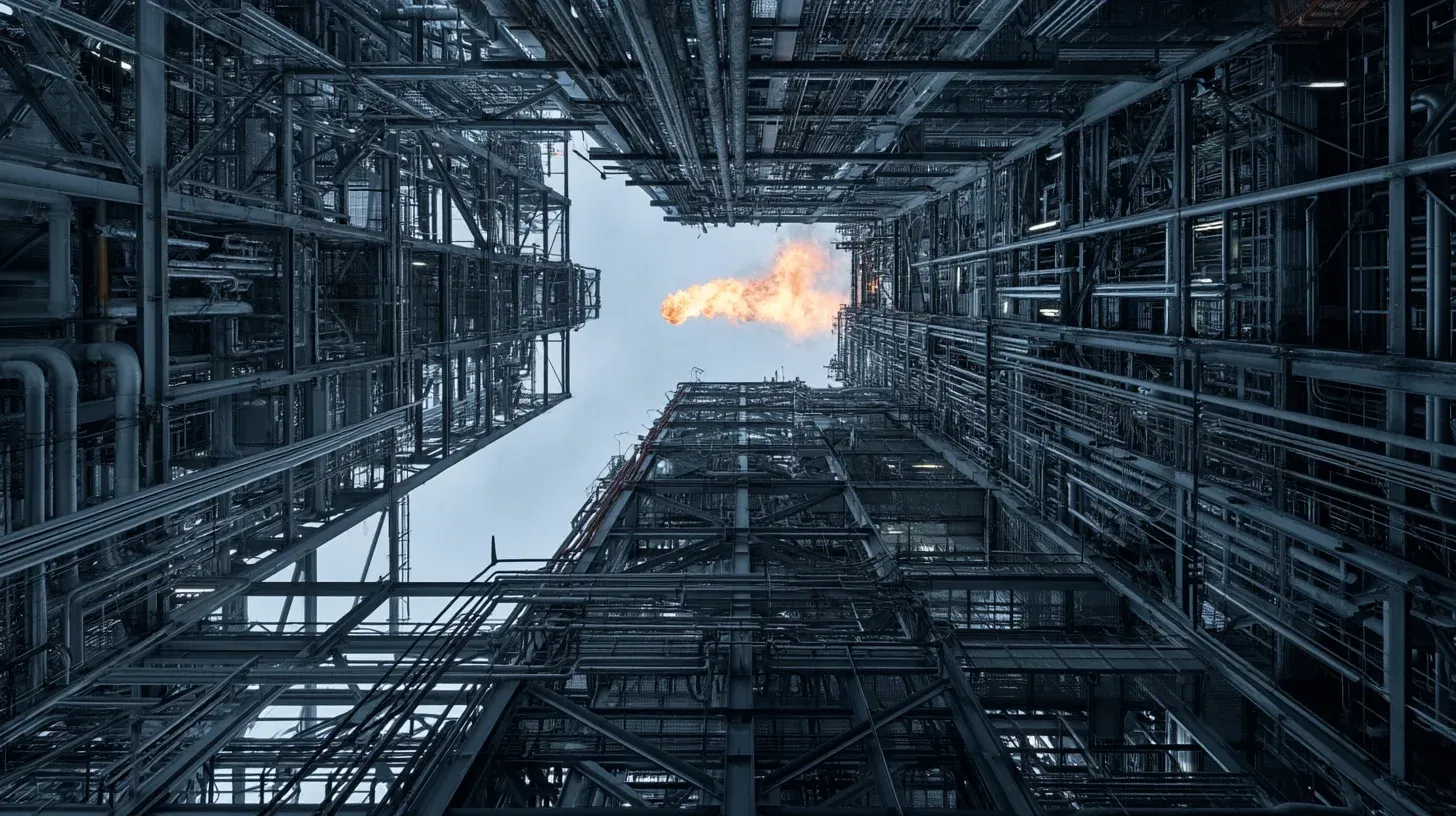
Hormuz is no longer functioning as a neutral shipping lane. It is becoming a politically filtered corridor, where passage depends on exemptions, diplomatic ties, and selective approval. The conflict is now moving beyond the route itself and toward the industrial nodes that turn Gulf hydrocarbons into exportable value.
Fossil Insurance Until 2038
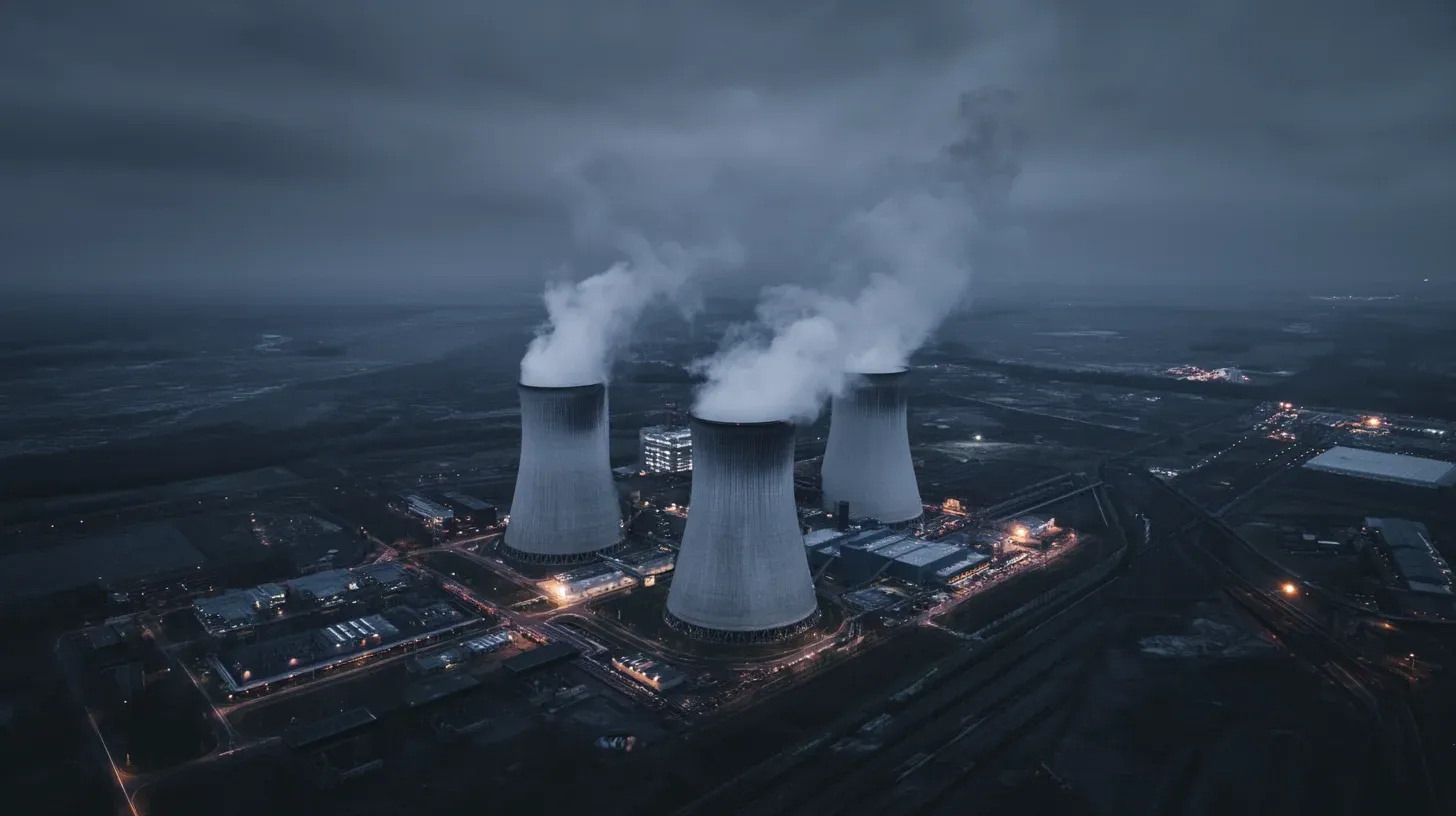
Italy was supposed to phase out coal by 2025. It now plans to keep coal plants available until 2038, explicitly citing energy insecurity linked to the Iran war. In doing so, it exposes what still comes first when systems are stressed.
The Passage Price
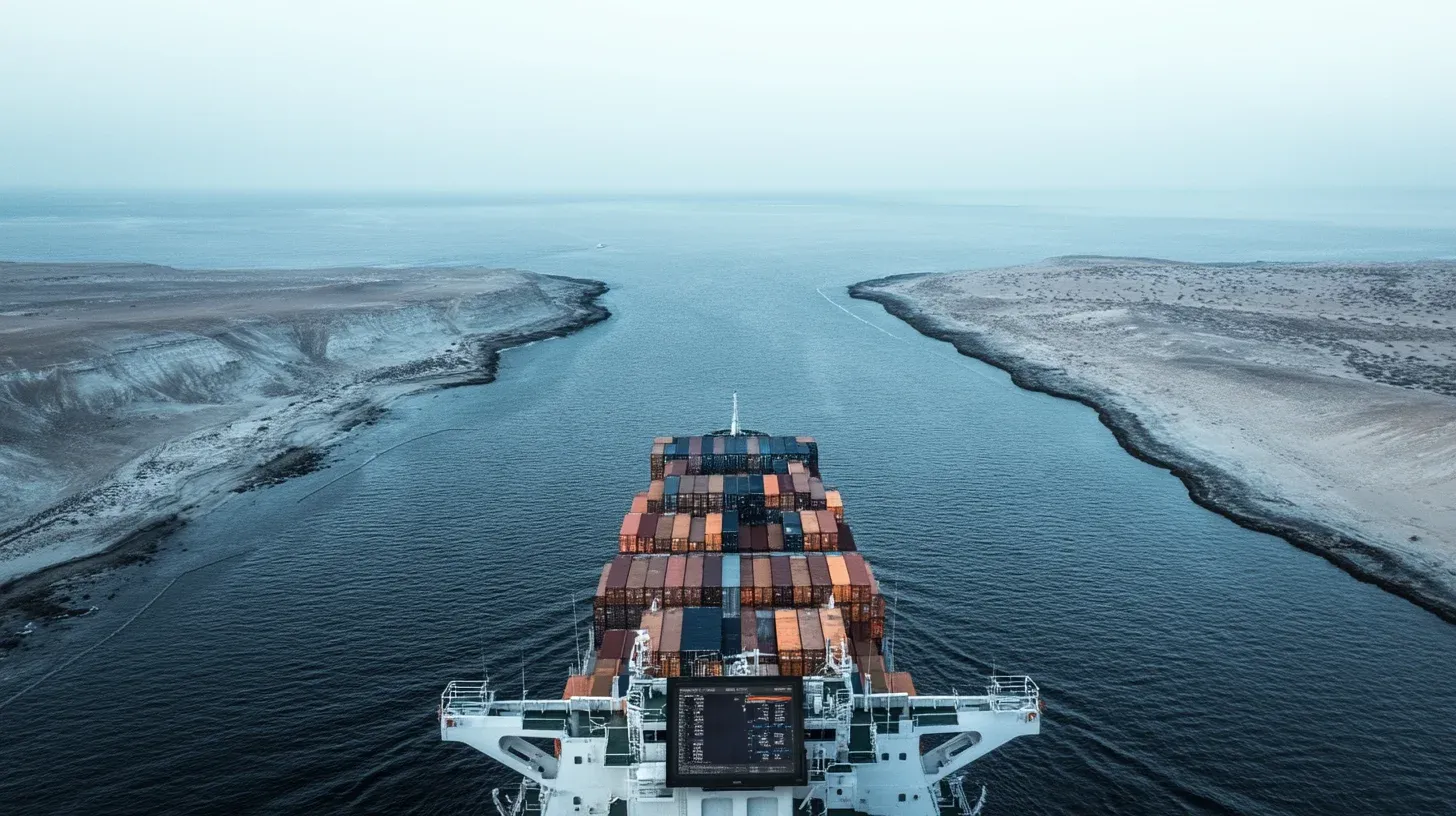
Hormuz is open again, but not in any neutral sense, and not for everyone on the same terms. As Japanese, French, and Omani vessels have begun crossing the strait again, what is emerging is not normalisation. It is a rationing system organised around political identity.
Extract First, Resolve Conflict Later
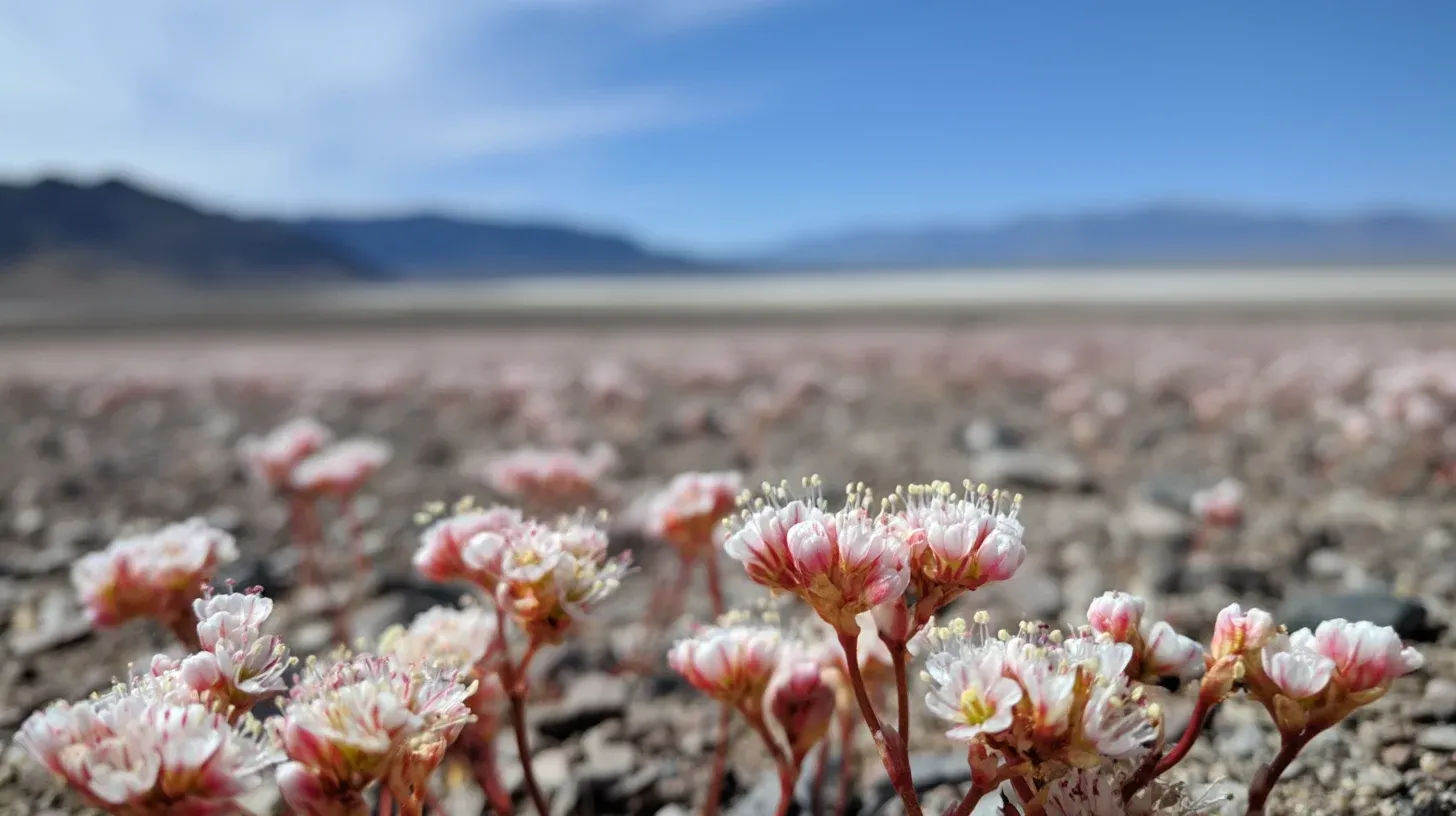
Security language, faster extraction Critical-minerals policy is being sold as resilience. But in practice, it is starting to look like something harder: extract first, resolve conflict later. From an endangered wildflower in Nevada to plans for processing deep-sea nodules in the Pacific, the pattern is becoming clearer. Nature conflict is no longer a reason to stop. It is something the system tries to manage after strategic extraction is already underway.
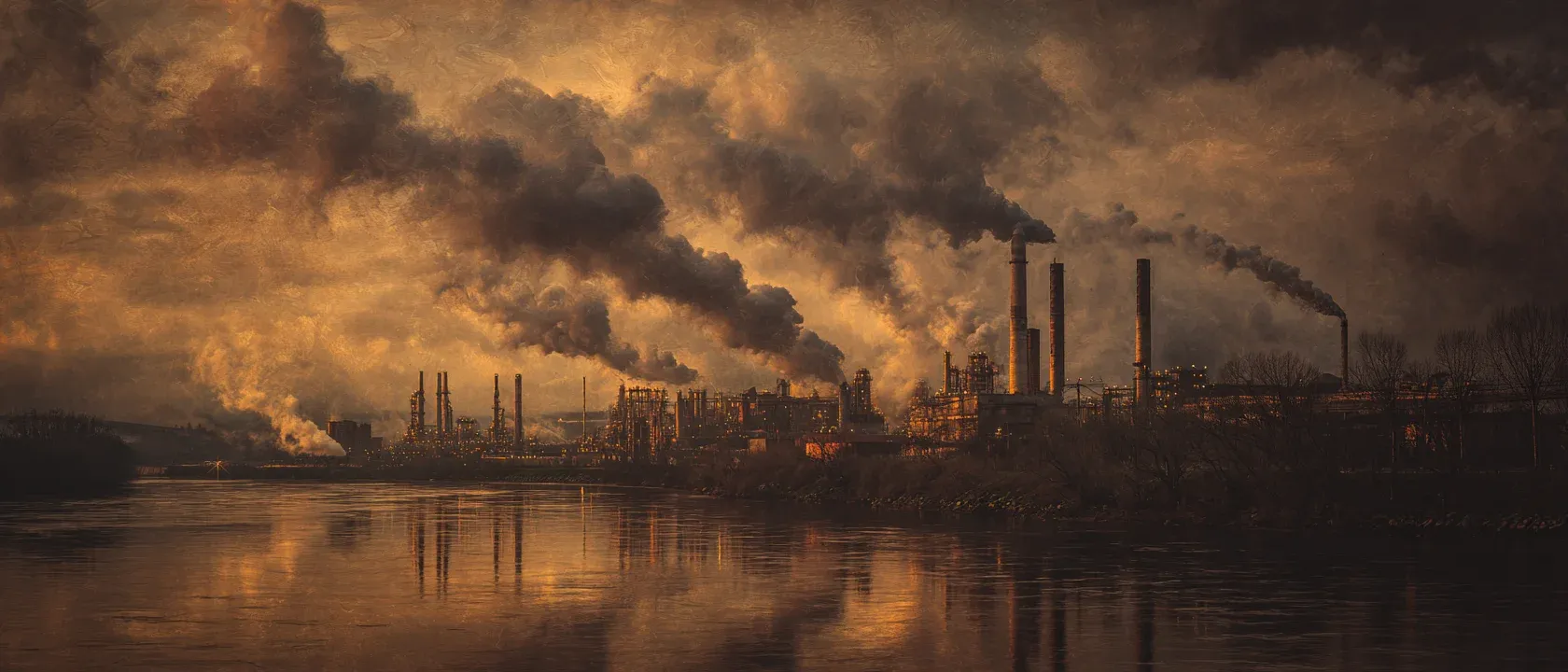
What is Darkside.Earth
Most of what shapes the climate crisis is hidden behind cleaner language: security, growth, transition, innovation, resilience. darkside.earth exists to follow those words down to the material systems underneath them.
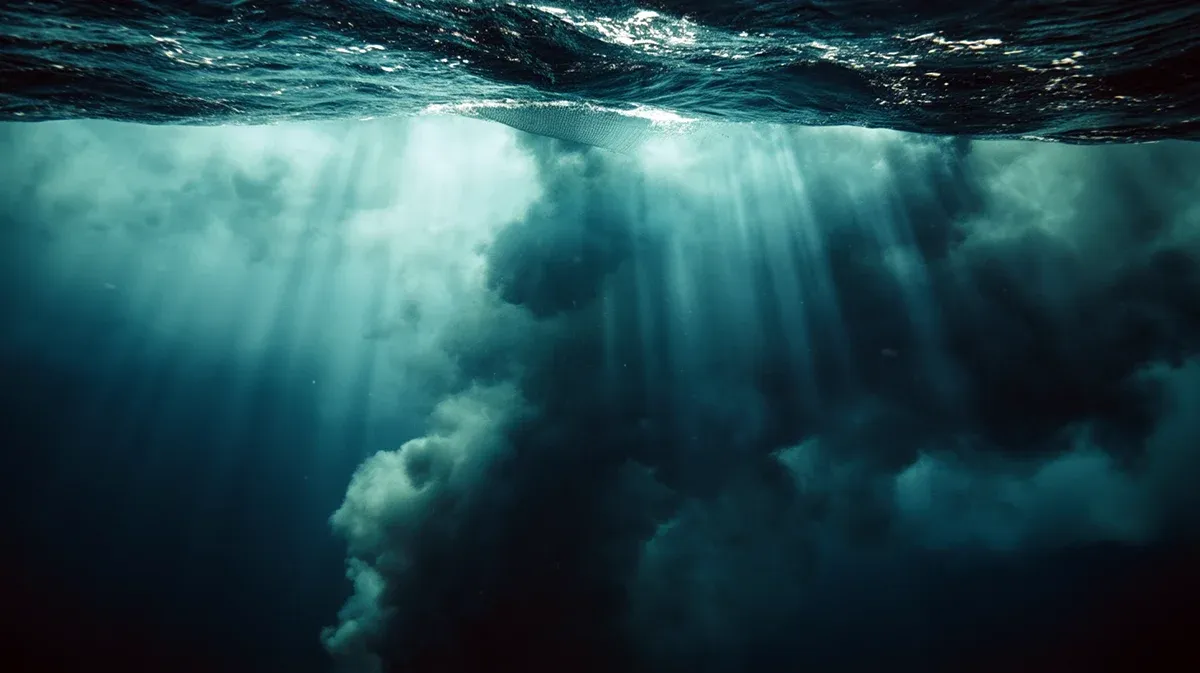
The Seabed Is Not Background
The International Seabed Authority is under renewed pressure as governments and mining firms push to open the deep ocean faster than the science can justify. The debate looks technical. It is not. The seabed is usually treated as background: a place to trawl, mine, dredge, build through, or lay cables across. In reality, it is one of the least protected carbon stores in the climate system and one of the next conflict zones in the green economy. That is the real story behind blue carbon politics. “The seabed is not background. It is carbon infrastructure under assault.”
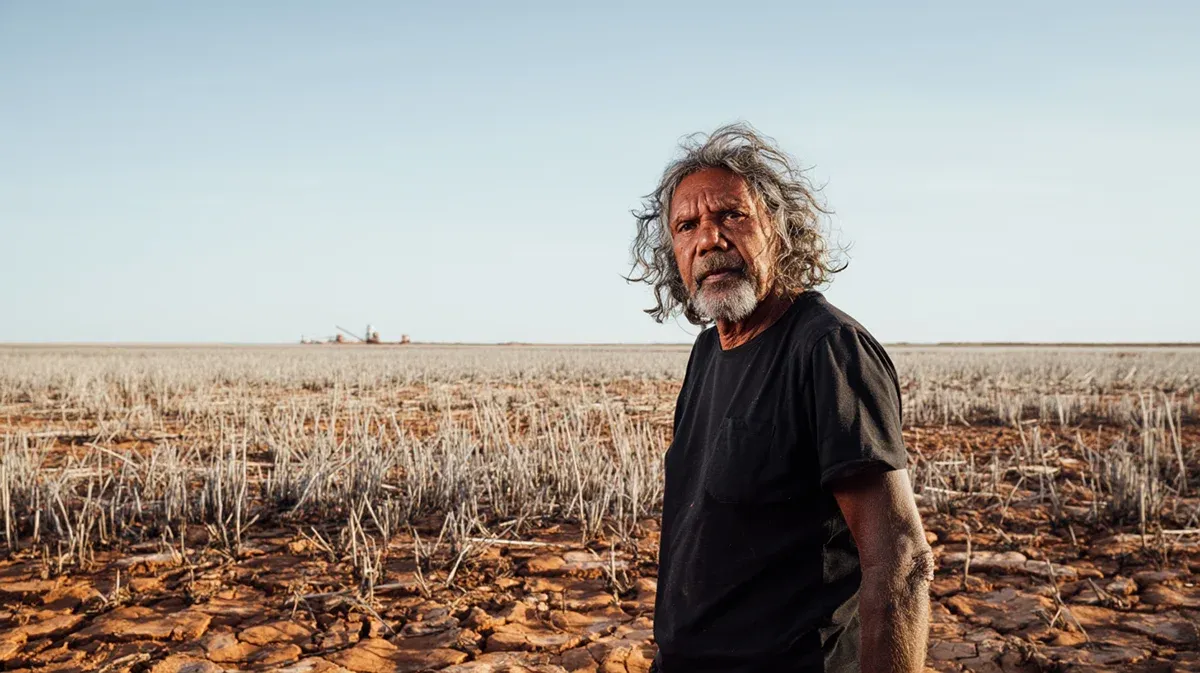
El Niño in an Overheated System
El Niño 2026 will not arrive in a neutral world and then “cause” a crisis. The crisis is already built in. When drought, flood, crop failure, and heat hit, they will move through a system designed to protect capital first and leave exposed populations to absorb the shock. That is why the real story is not weather. It is extraction.
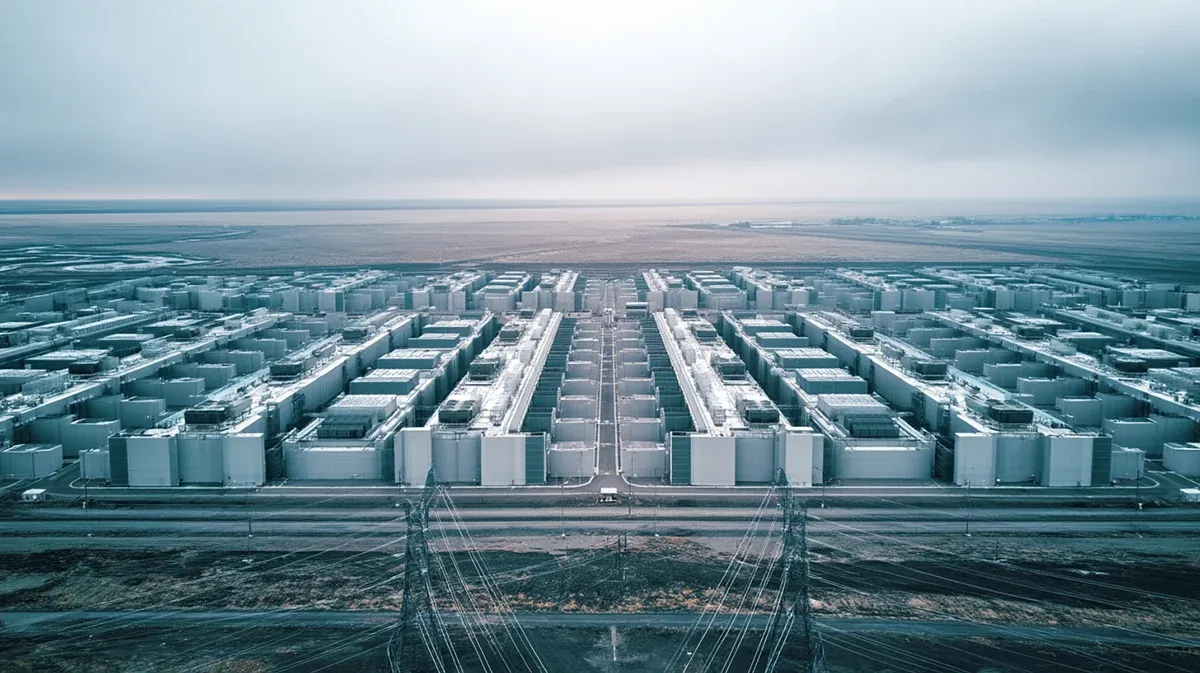
Who Is the Grid For?
AI is still sold as a race over models, chips, and intelligence. On the ground, it looks more like a fight over substations, gas turbines, transmission lines, cooling water, land, and political permission. The real question is no longer only who can build the best model. It is who gets priority access to electricity, who can wrap private advantage around public infrastructure, and which communities are expected to carry the cost.
Hormuz Beyond the Strait
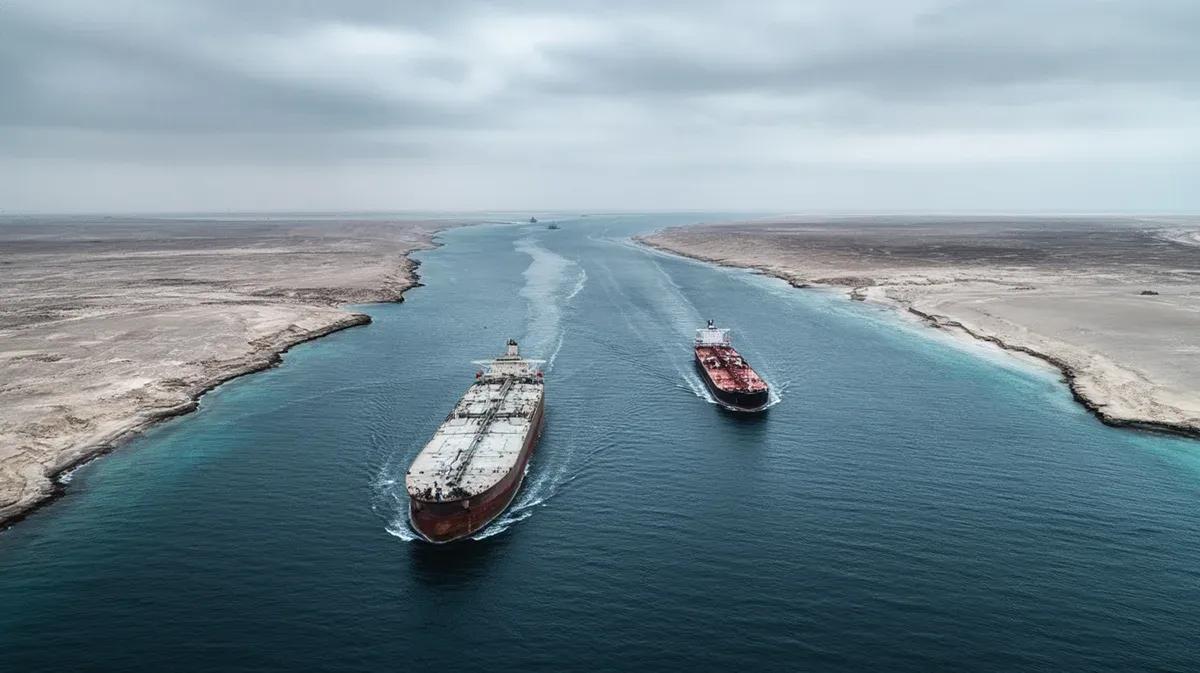
The Hormuz crisis is no longer just an oil story. It is becoming a crisis of circulation across the wider industrial system, where pressure on one maritime chokepoint now propagates through a much broader logistics network. After a security incident forced Maersk to suspend operations at Oman’s Port of Salalah, the conflict spread beyond the strait itself and into the logistics architecture that keeps trade moving. What is now under pressure is not only energy supply, but the wider circulation of petrochemicals, plastics, fertilizer and food costs downstream.
The Trusted Access Economy
“Trusted partners” used to sound like diplomatic boilerplate. It now signals something much harder: a world in which access to minerals, chips, energy, logistics and data infrastructure is increasingly filtered through political alignment. Supply-chain security is no longer just about resilience against shocks. It is becoming an access regime that decides who belongs inside the zone of trusted participation.
The New Power Is Control Over Flow
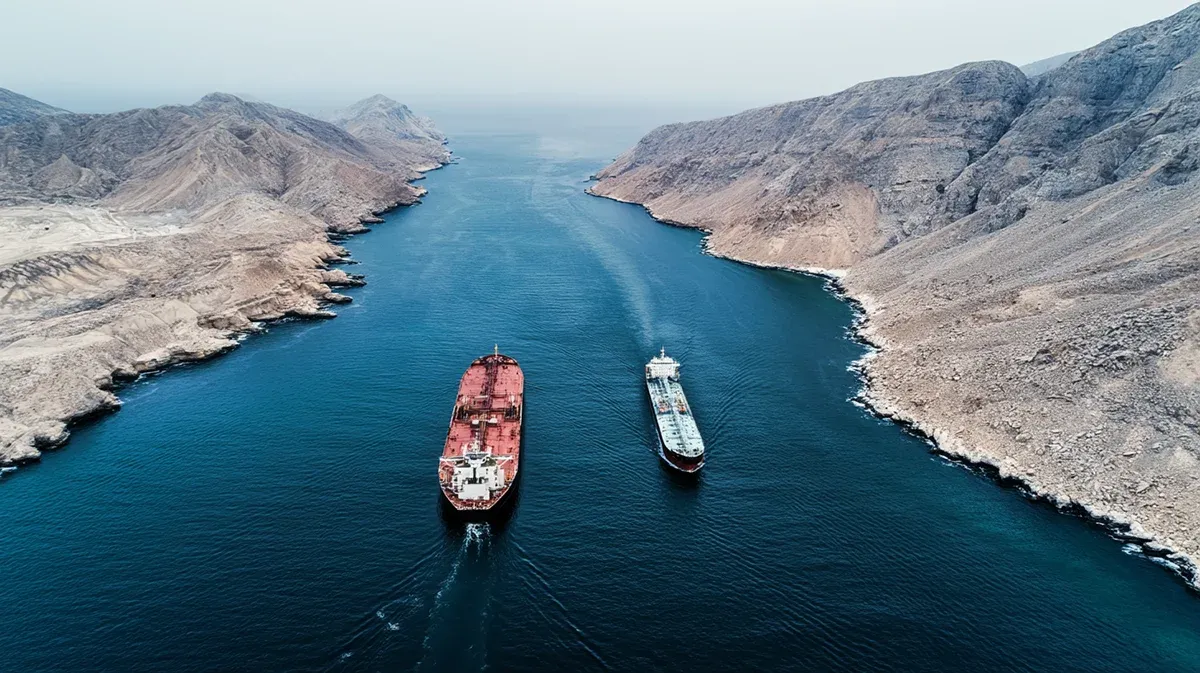
Hormuz is no longer just an oil story. As disruption around the strait pushes up plastics prices, delays fertilizer flows, and raises food-security alarms, it reveals a wider shift in how power now works. The new coercive power is no longer control over land alone, but control over flow.