DARKSIDE.EARTH
Investigating power, planet and consequences
CATEGORY

Geopolitics

Power, conflict, and the struggle for resources in an era of great-power competition.

GEOPOLITICS

Chokepoints: The Sea Lanes That Govern the World

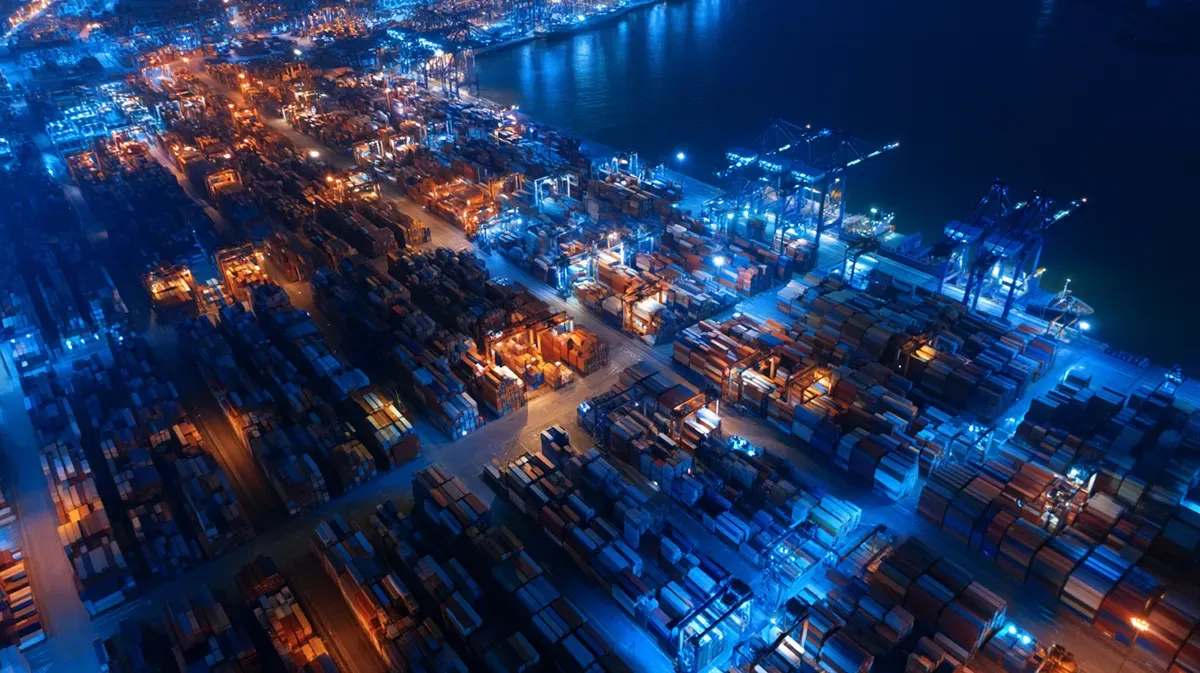
The global economy likes to present itself as borderless, flexible, and modern. In practice, it still rests on a handful of narrow passages between seas, continents, and spheres of power. When one of those passages falters, geography becomes visible again in oil prices, freight costs, emissions, and geopolitical pressure. Globalization did not make territory less important. It concentrated dependence around a small number of routes that other actors can protect, threaten, or exploit.
GEOPOLITICS

What Is Geopolitics — and Why the Term Matters Even More in 2026

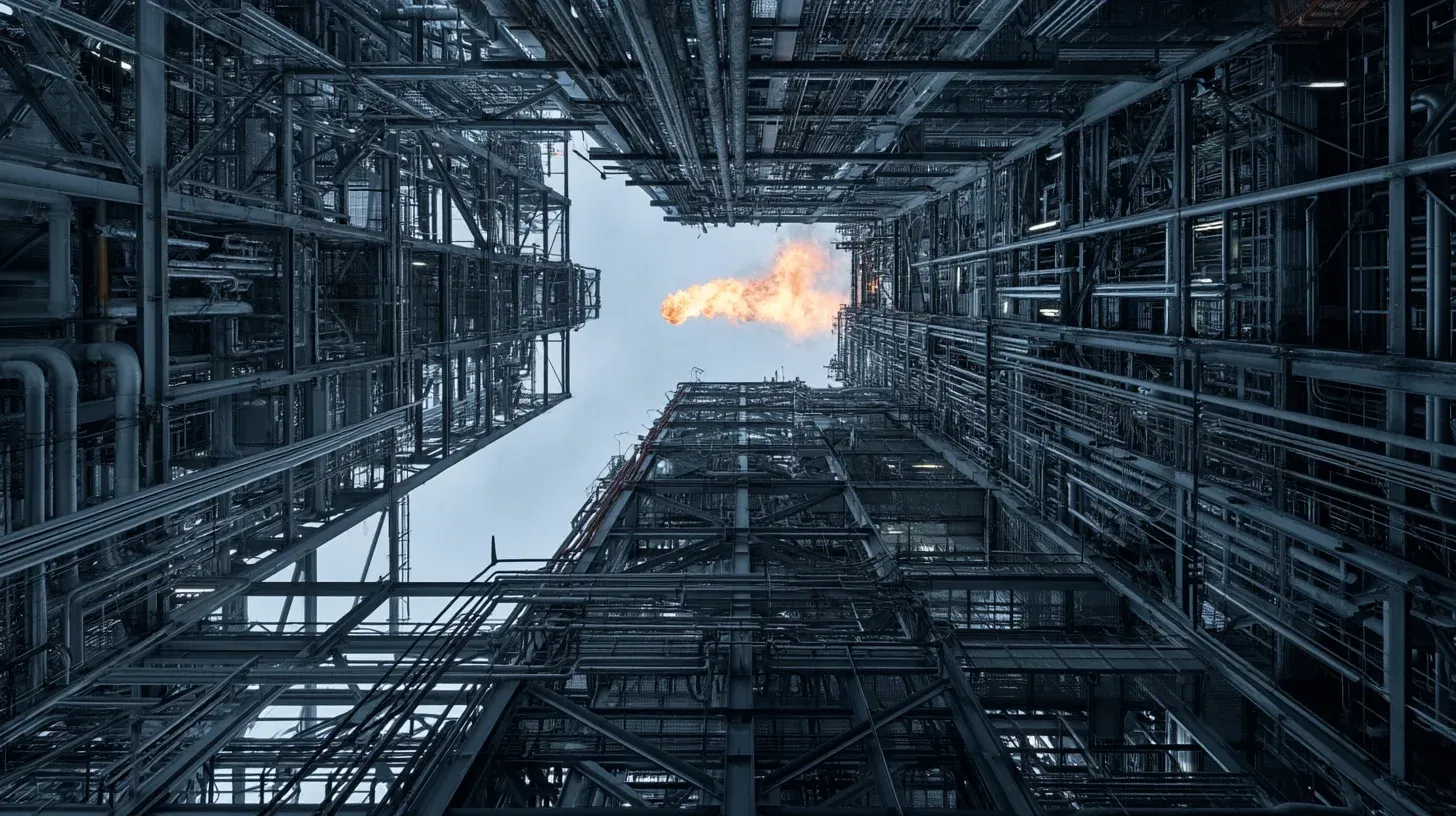
What is geopolitics in 2026? It still begins with geography, but geography no longer means territory alone. Power now depends on who controls the systems others rely on: energy, logistics, trade routes, infrastructure, technology, and the dependencies they cannot easily escape. Geopolitics is no longer only about land. It is about the ability to organize vulnerability and turn dependence into leverage.

GEOPOLITICS

What Are Critical Minerals — and Why Do They Matter So Much Now?

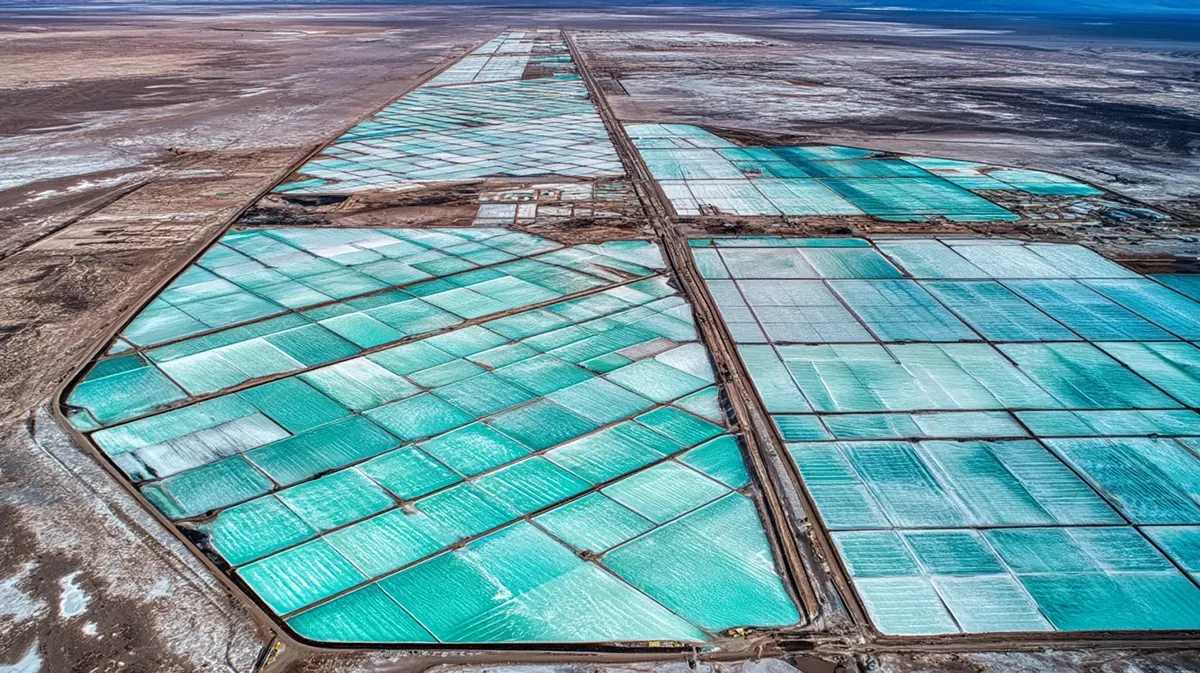
The energy transition is often described as a path out of dependence. But electrified economies do not escape material dependence; they rebuild it around minerals, processing systems, and industrial bottlenecks controlled by relatively few actors. Critical minerals matter not simply because they are important raw materials, but because control over them is becoming a condition for industrial power in the post-fossil economy, and for deciding who gets to shape it.