
Geopolitics is no longer only about land. It is about the ability to organize vulnerability and turn dependence into leverage.
The classical definition still matters. Borders, seas, chokepoints, distance, resources, and military position continue to shape what states can do.
Wars are still fought over cities, corridors, coastlines, and strategic depth. Ukraine has made that brutally clear. So have the South China Sea and Taiwan, where disputes over territory are also disputes over shipping lanes, industrial access, and regional command. Geography never stopped mattering.
But classical geopolitics is no longer enough on its own. In 2026, power is exercised not only through occupation or military reach, but through sanctions, export controls, logistics, industrial bottlenecks, energy exposure, and technological dependence.
States now compete not just to hold ground, but to control the systems others rely on.
That is what many political frameworks still fail to grasp: they continue to describe a world in which integration moderates rivalry, even as rivalry now runs through integration itself.
That is also why geopolitics feels more visible today: power struggles no longer stop at borders. They move through pipelines, ports, semiconductors, undersea cables, payment systems, and supply chains.
Security policy and economic policy no longer sit in separate rooms. They now operate inside the same systems of pressure and control. A disruption in one part of the system quickly becomes pressure somewhere else: on prices, production, trade, fiscal policy, and political choices.
This is not background noise. It is the security structure now narrowing political and economic room for action. Military conflict, trade restrictions, industrial policy, weapons production, and energy security now belong to the same field of power.
That is why the old distinction between “hard security” and “economic policy” has become less useful. In practice, they now shape each other continuously.
Ukraine is one obvious example. The war is about land in the most direct possible sense, but not only land. Control over territory also means control over roads, rail lines, industry, grain corridors, energy infrastructure, and military supply.
The battlefield is physical, but the struggle is systemic. A war over territory now immediately becomes a war over logistics, production, and external dependence.
That is also why Black Sea shipping and Ukrainian grain exports have mattered far beyond the front line: disruption there has affected food prices, insurance costs, freight risk, and the political room for manoeuvre of states far from the battlefield.
Territory matters here not as map symbolism, but because it connects directly to systems others depend on.
Territory matters here not as map symbolism, but because it connects directly to systems others depend on.
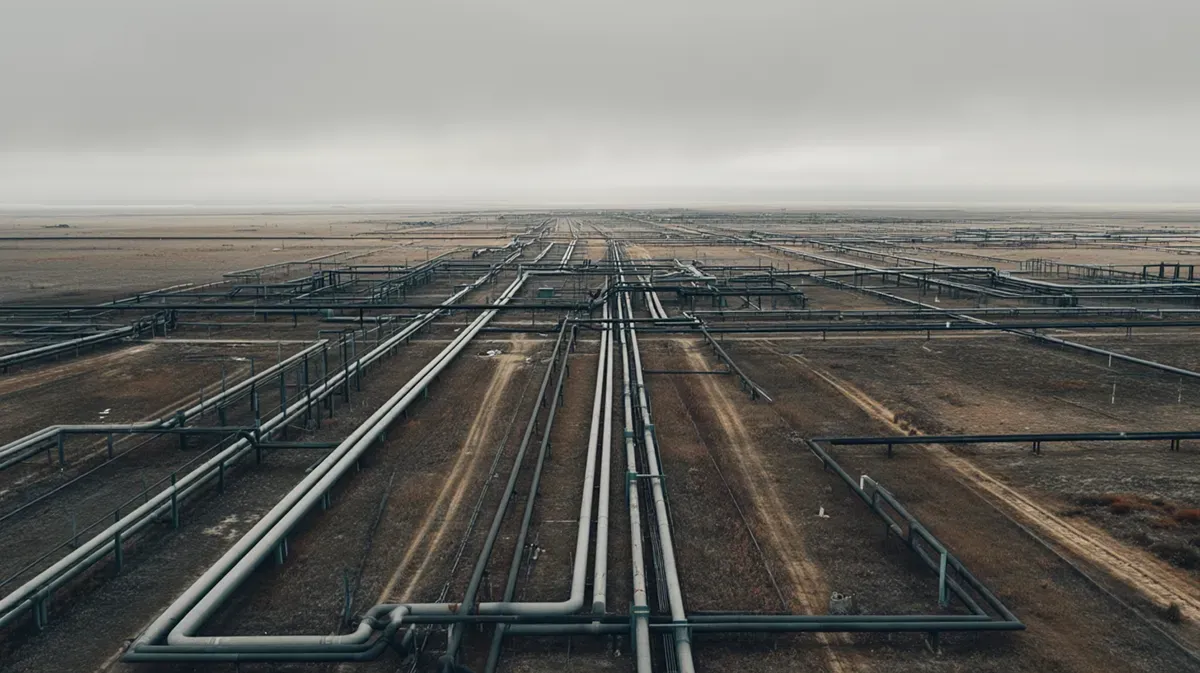
Geography still matters, but power now also runs through systems others cannot easily replace.
The Middle East shows the same pattern from another angle. A strike on oil or gas infrastructure is not simply a regional military event. It is an intervention in a global system of energy dependence.
It affects prices, shipping, inflation, investment, and political room for manoeuvre far beyond the immediate conflict zone. In other words, infrastructure is now part of the battlespace. Energy systems are no longer background assets; they are instruments of leverage.
The Indo-Pacific pushes the same logic even further. The South China Sea is not just a map dispute over reefs and maritime boundaries. It is a struggle over trade routes, naval access, fisheries, jurisdiction, and the right to shape one of the most important economic corridors in the world.
Taiwan matters for similar reasons. It is not only a territorial flashpoint, but a node in a wider system of technology, shipping, alliance credibility, and industrial dependence. That is where modern geopolitics becomes easiest to see: territory matters because it connects to systems that others cannot easily replace.
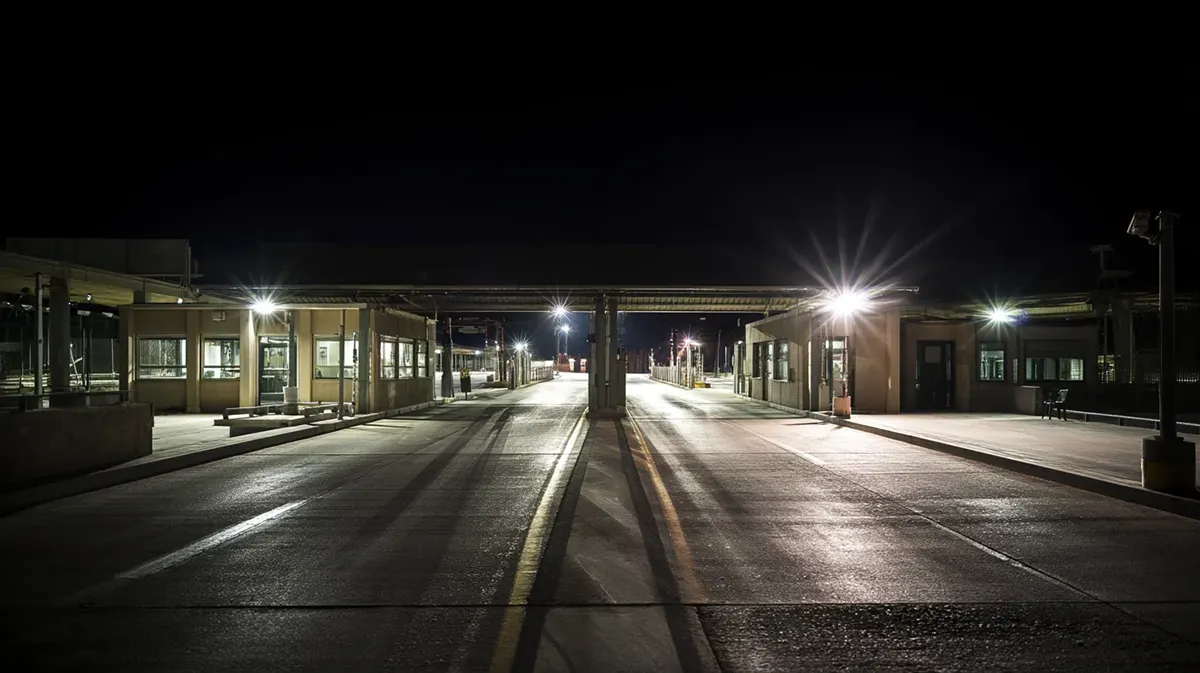
Infrastructure and corridors now carry strategic weight far beyond their immediate location.
This is why fragmentation matters more than many governments still admit. The old assumption was that interdependence would make conflict too costly and therefore less likely. That assumption now looks less like optimism and more like a misreading of how power actually works.
Interdependence did not disappear. It became something states try to weaponize, hedge against, or escape. Sanctions, export controls, investment screening, subsidy races, and supply-chain relocation all reflect the same change: dependence is no longer treated as neutral efficiency. It is treated as strategic exposure.
The economic side of this is not secondary. Fragmentation may produce short-term gains for some countries, while deepening vulnerability over time. The idea that fragmentation simply creates a new set of winners is wrong.
It also creates new dependencies, new chokepoints, and new opportunities for coercion. Trade rerouting can generate temporary advantages, but it also reorganizes risk rather than removing it. New suppliers emerge, new transit routes matter, new middlemen profit, but the system as a whole becomes more brittle when trust falls and coercion becomes a normal instrument.
That points to a structural shift: value and influence are moving toward actors that control security technology, logistics, and resilience, not just territory.
Power now sits with those who can protect shipping, secure energy, substitute suppliers, harden infrastructure, absorb shocks, and deny others the same advantages. In that sense, resilience is no longer just defensive. It has become a form of geopolitical power in its own right.
Dependence is easier to weaponize, trust is thinner, and economic exposure now translates faster into strategic risk.
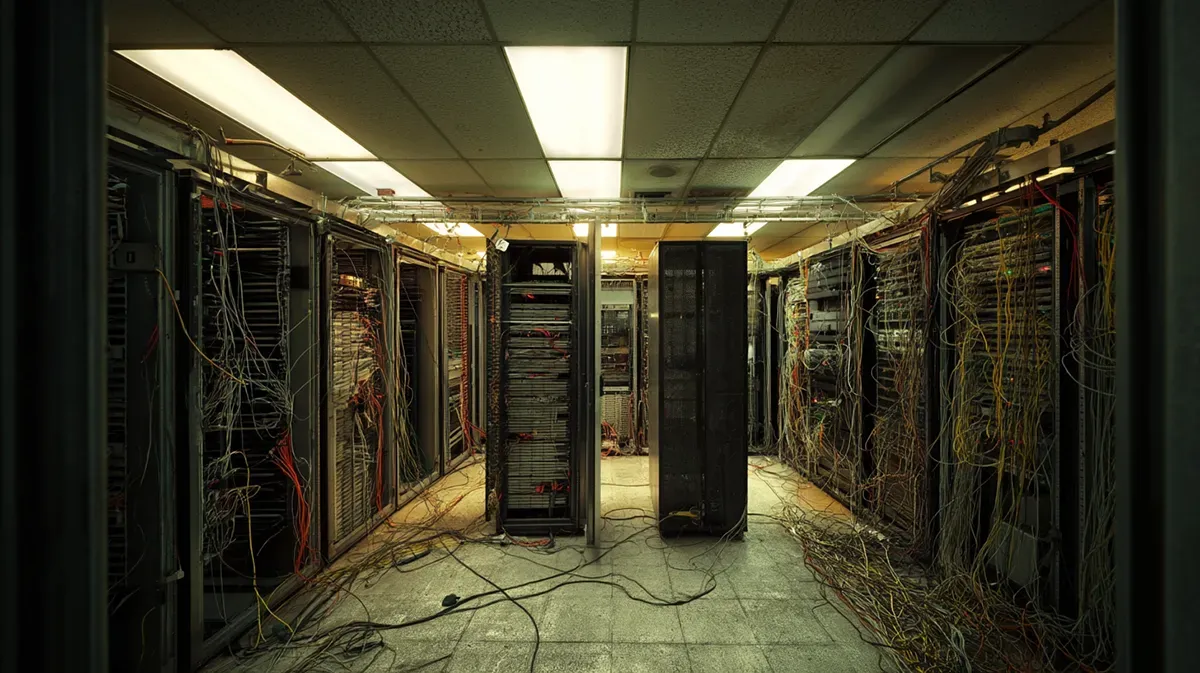
In a fragmented system, resilience becomes more than defense. It becomes leverage.
The winners in this system are not simply the largest states or the most resource-rich ones. They are the actors that control alternatives. They can reroute trade, replace suppliers, secure energy, build domestic capacity, and protect critical systems.
The likely losers are those trapped in chokepoints, import dependence, and fragile supply chains they do not control. Their weakness is no longer abstract. It can be translated directly into political and economic pressure.
This is what makes the situation more dangerous than much official language suggests. Many political documents still speak as if stability can be restored inside frameworks built for a less fragmented world.
But the world has already changed. Dependence is easier to weaponize, trust is thinner, and economic exposure now translates faster into strategic risk. The deeper problem is that many of the assumptions that guided the last decade have not merely weakened. They are now actively misleading.
Economic openness can no longer be treated as politically neutral when interdependence itself has become part of the battlespace.
Geopolitics in 2026 is no longer just the struggle over land, borders, and military position. It is the struggle to control the systems modern economies depend on: energy, logistics, technology, trade routes, and industrial bottlenecks.
That matters because many of the political assumptions that shaped the last decade were built for a world in which interdependence was expected to soften conflict. That world is weaker now.
The new one is more fragmented, more coercive, and more dangerous precisely because dependence has become easier to weaponize.