Analysis
In-depth examination of the forces shaping climate, geopolitics, and global power.
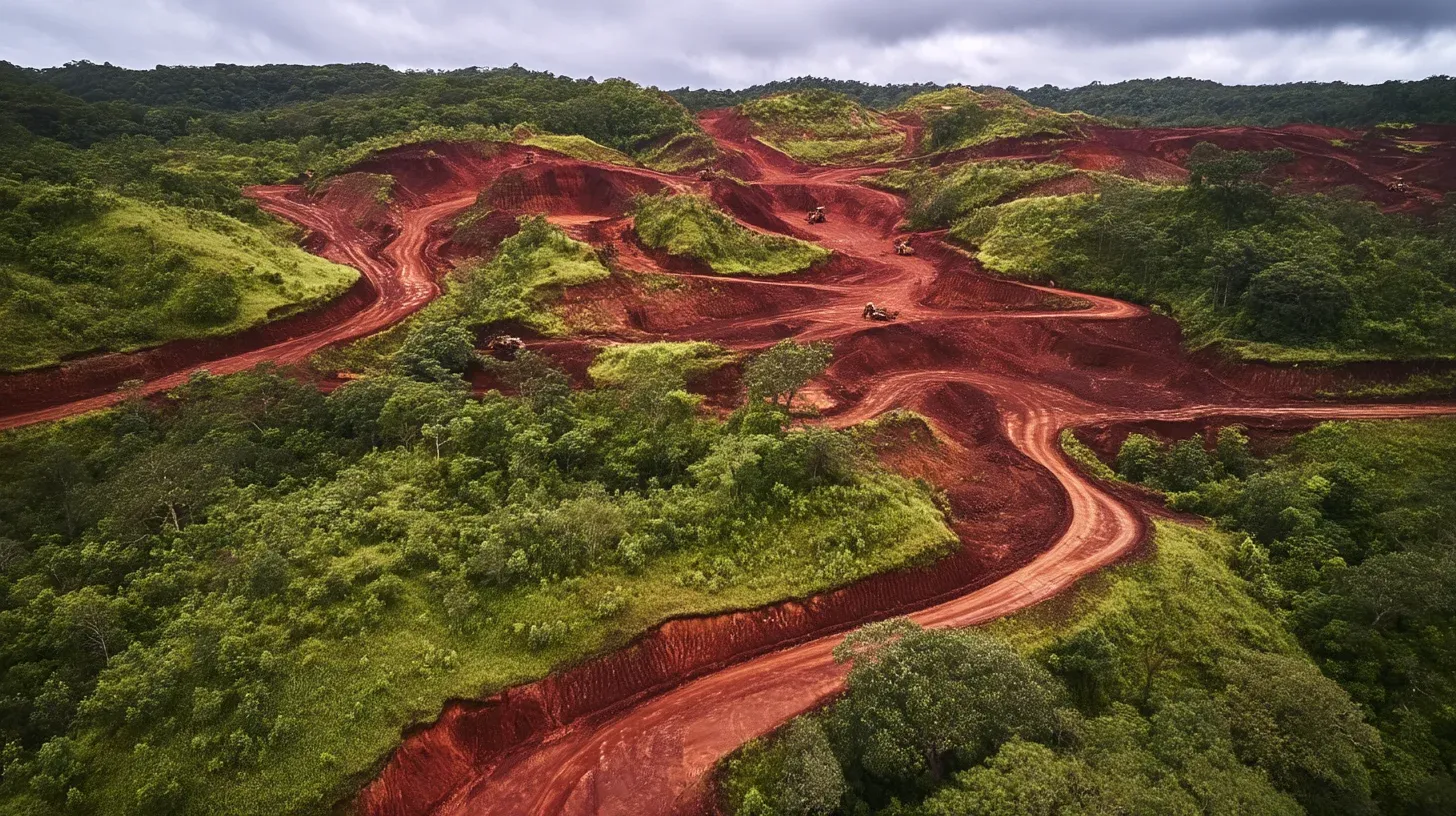
Brazil and the Rare-Earth Detour
Brazil matters in the rare-earth race not because it solves Western dependence, but because the real dependence runs deeper than the mine. The real chokepoint is not geology, but industry. What matters is what happens after extraction: separation, refining, metals, magnets, and access to the industrial stages that turn ore into power. That is why Poços de Caldas matters. And that is why the conflict around it is larger than Brazil itself. The real chokepoint is not geology, but industry.
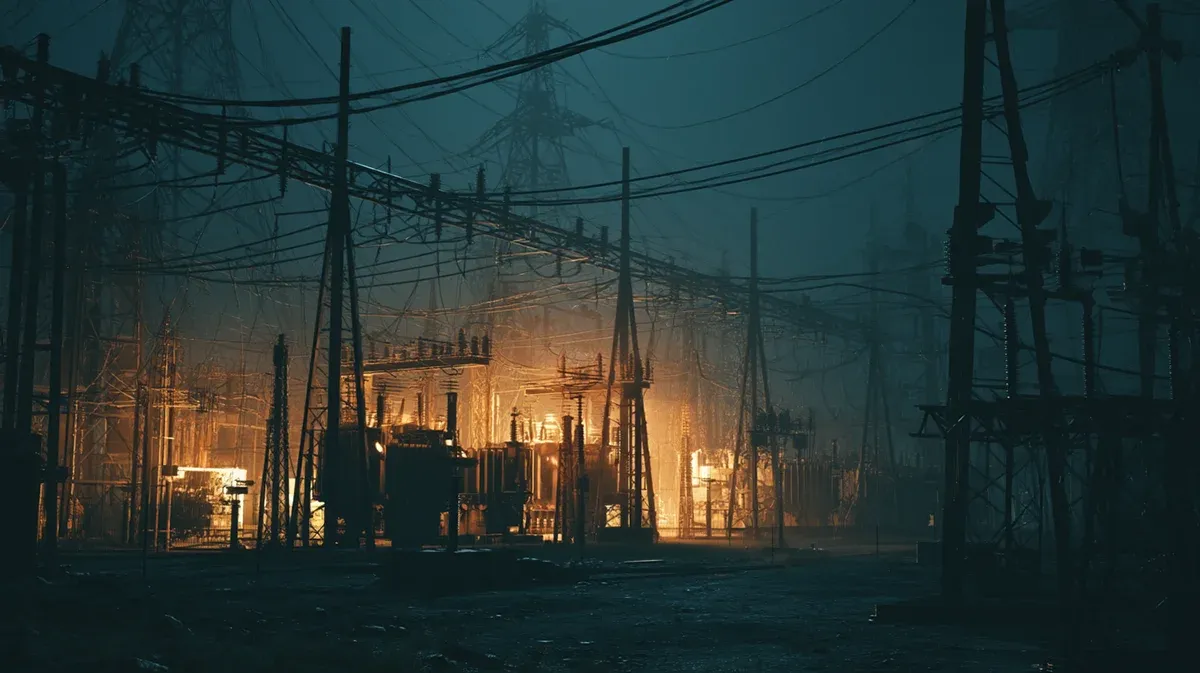
The Grid Beneath the AI Boom
AI is sold as a race over models, chips and intelligence. On the ground, it looks less like a contest over intelligence than a fight over substations, gas turbines, transmission lines, cooling water, land and local consent. The central question is no longer just who can build the best model. It is who gets priority access to power, who can layer private priority onto public systems, and which communities are expected to absorb the cost.
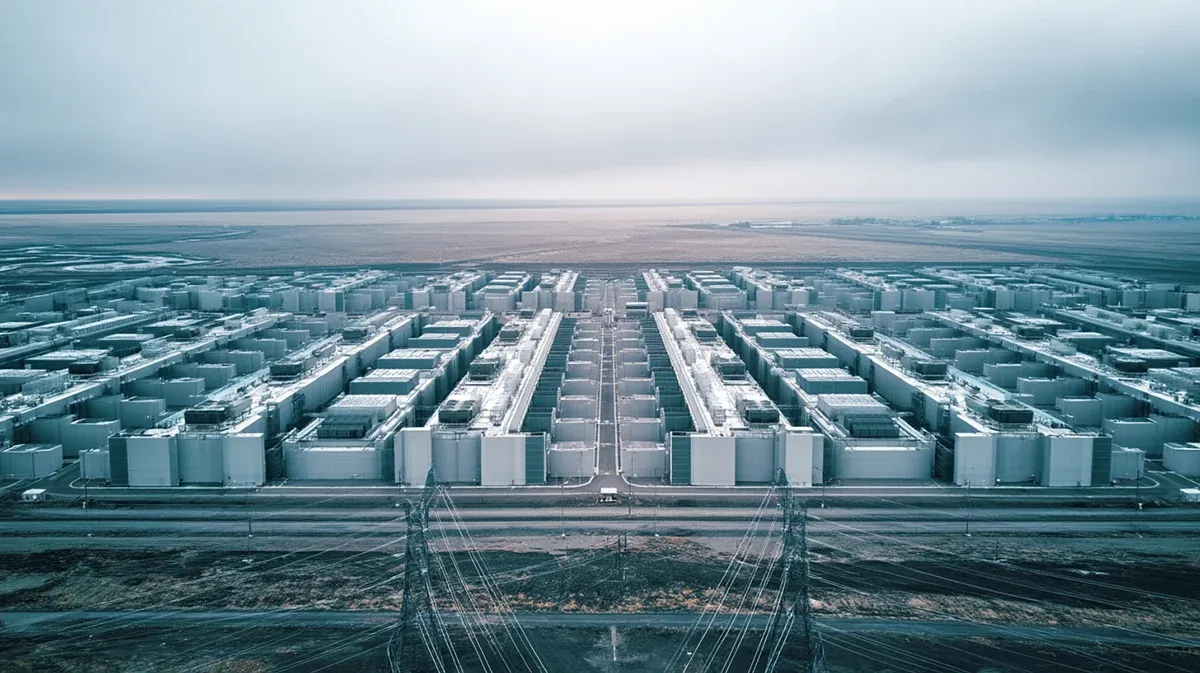
AI, Data Centres, and the Power Struggle
AI is often described as a race over models, chips, and innovation. But as data centres scale faster than the energy systems around them, the real struggle moves downward into the physical layer: electricity, grids, cooling, land, and political priority. AI is no longer just a technology story. It is a fight over who gets power first, who pays to expand the system, and whose needs are pushed back when digital capital arrives at industrial scale.
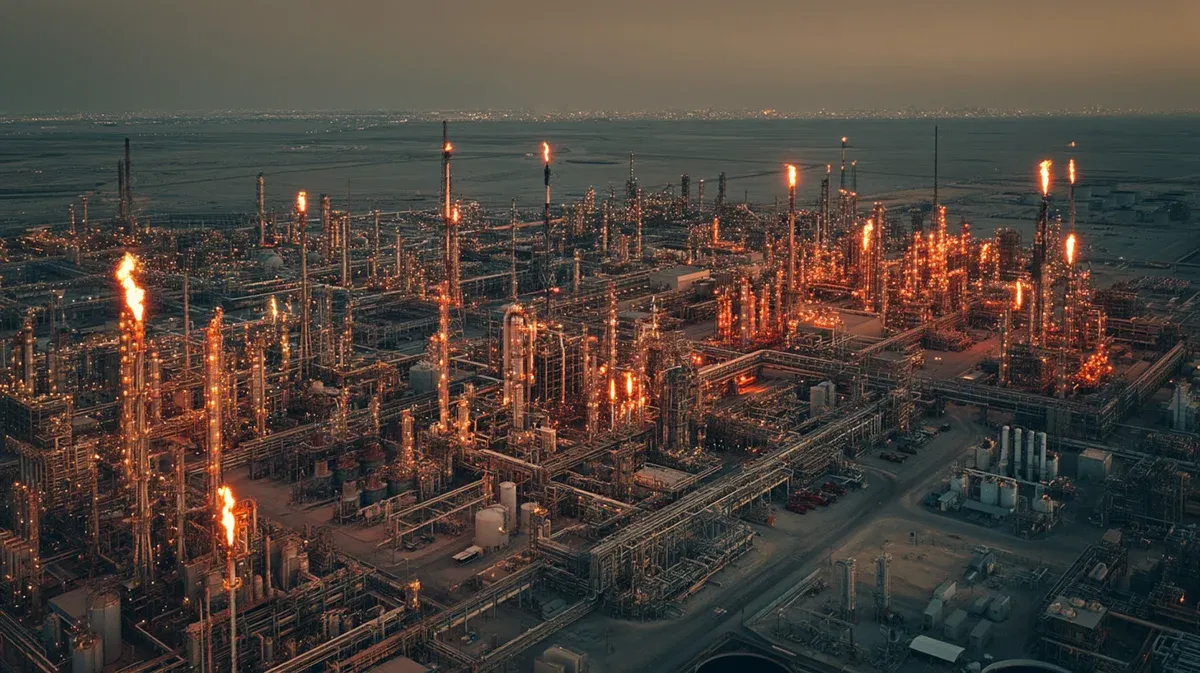
The Fossil Bargain Is Breaking Down
For petrostates, oil has never just been a commodity. It has been state revenue, social glue, and political insurance. When fossil power weakens, the question is therefore not only what will replace export income, but what will replace the bargain between state and society itself: subsidies in exchange for calm, public wages in exchange for loyalty, cheap energy in exchange for political silence.
Why Raw Materials Alone Do Not Create Control
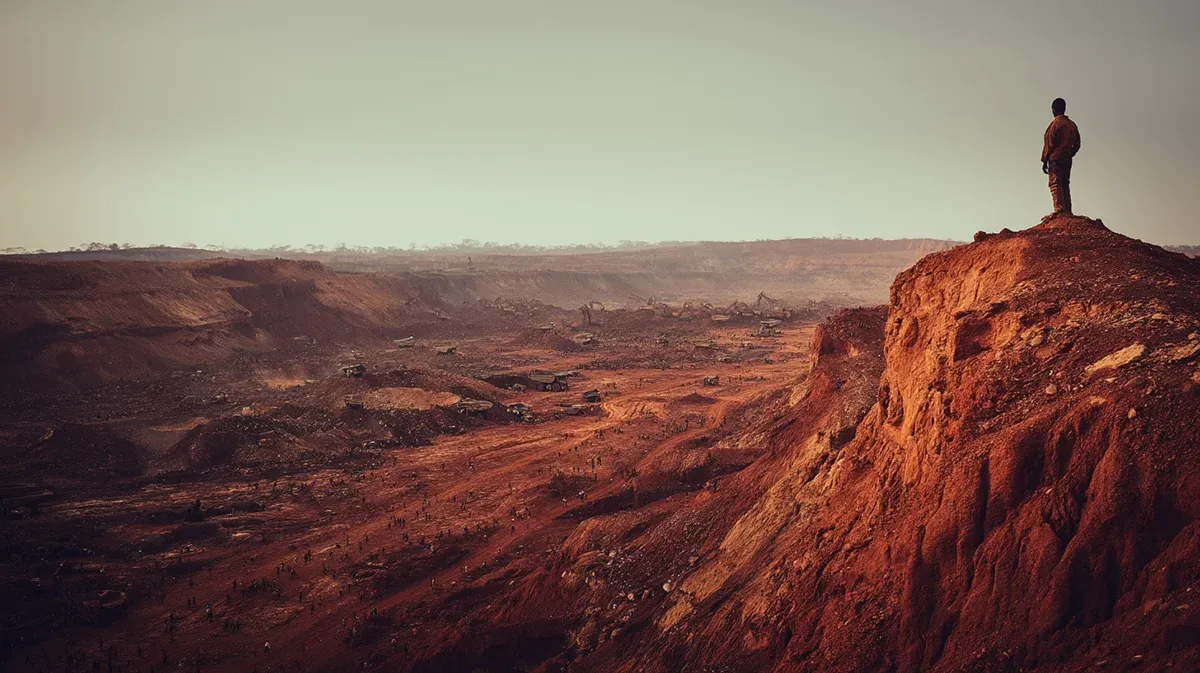
A country can sit on the minerals the world says it urgently needs and still remain weak in the market built around them. That is one of the central contradictions of the modern commodity economy. The countries that supply indispensable raw materials are often not the countries that control how those materials are processed, priced, standardized, or turned into industrial power. They are necessary to the system, yet rarely in command of it.
The Arctic After the Ice
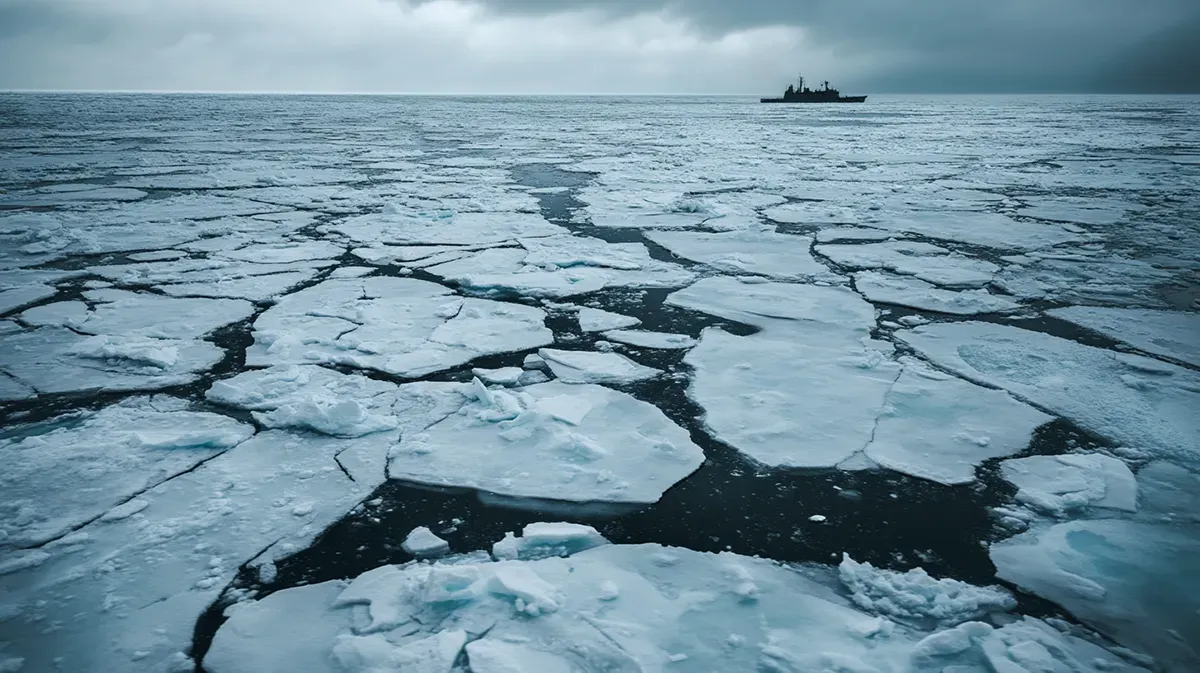
The Arctic is often described as a new maritime frontier opened by climate change. But that framing misses the point. What is emerging is not an open commercial space. It is a more accessible region in which control over sea lanes, infrastructure, jurisdiction and military presence becomes more valuable. As the ice retreats, politics does not recede. The weakening of natural barriers increases the value of legal, logistical and military control.
The World's Resource War
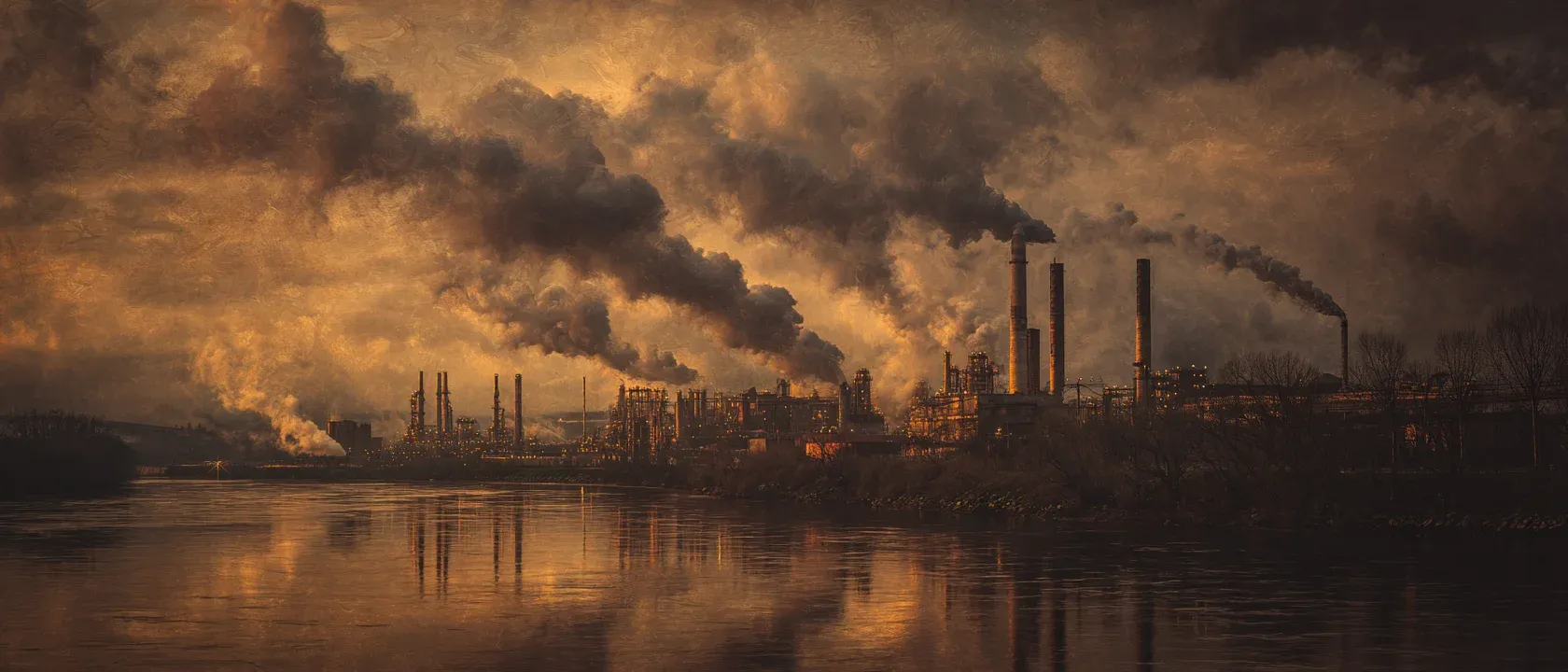
The world says it wants to save the climate even as it deepens the global scramble for the fuels and materials that power it. Governments promise decarbonization while expanding the systems needed to extract lithium, nickel, cobalt, copper, oil, and gas. The question is not only who controls these resources, but who has to live with the consequences as fossil expansion continues and the new green economy is dug out of the ground.
The Grid Can’t Keep Up
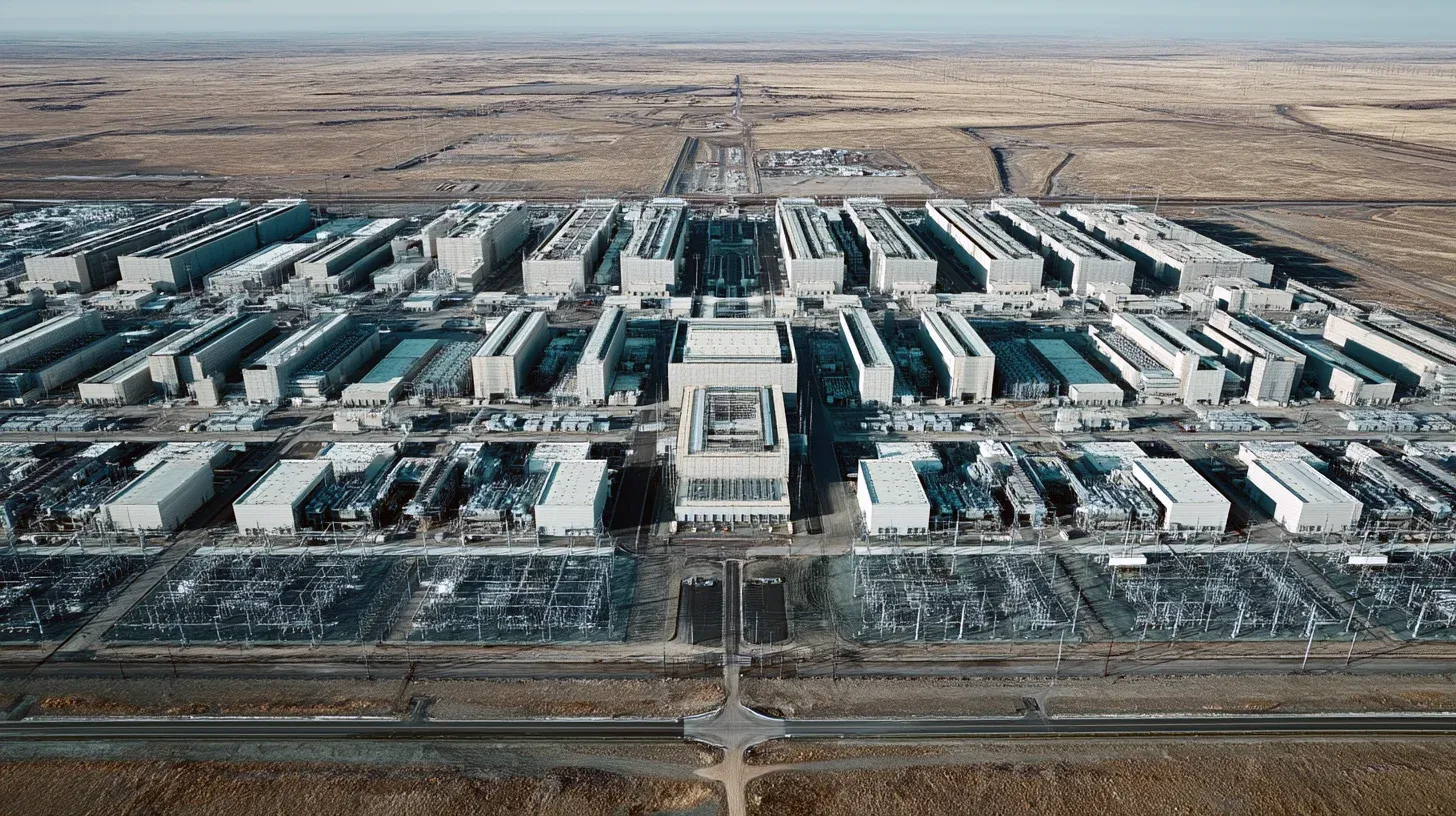
When the public grid moves too slowly, hyperscalers do not wait. They build private routes around it. That is the real significance of Microsoft’s new deal with Chevron and Engine No. 1: AI is no longer just competing for compute, but for the right to bypass shared infrastructure when it becomes too slow, too crowded, or too political.